Issue 01 — Autumn 2026New creative talent before everyone elseDirectors, DPs, editors, animators and performers found earlyAccra · London · Prague · Shanghai · Amsterdam · Budapest · Los Angeles · Paris · SydneyEvery video embedded, every creator linkedWatch, then follow themIssue 01 — Autumn 2026New creative talent before everyone elseDirectors, DPs, editors, animators and performers found earlyAccra · London · Prague · Shanghai · Amsterdam · Budapest · Los Angeles · Paris · SydneyEvery video embedded, every creator linkedWatch, then follow them
Jacque Rabie’s Hyodo’s Paradise: a humane short about a man and his dolls
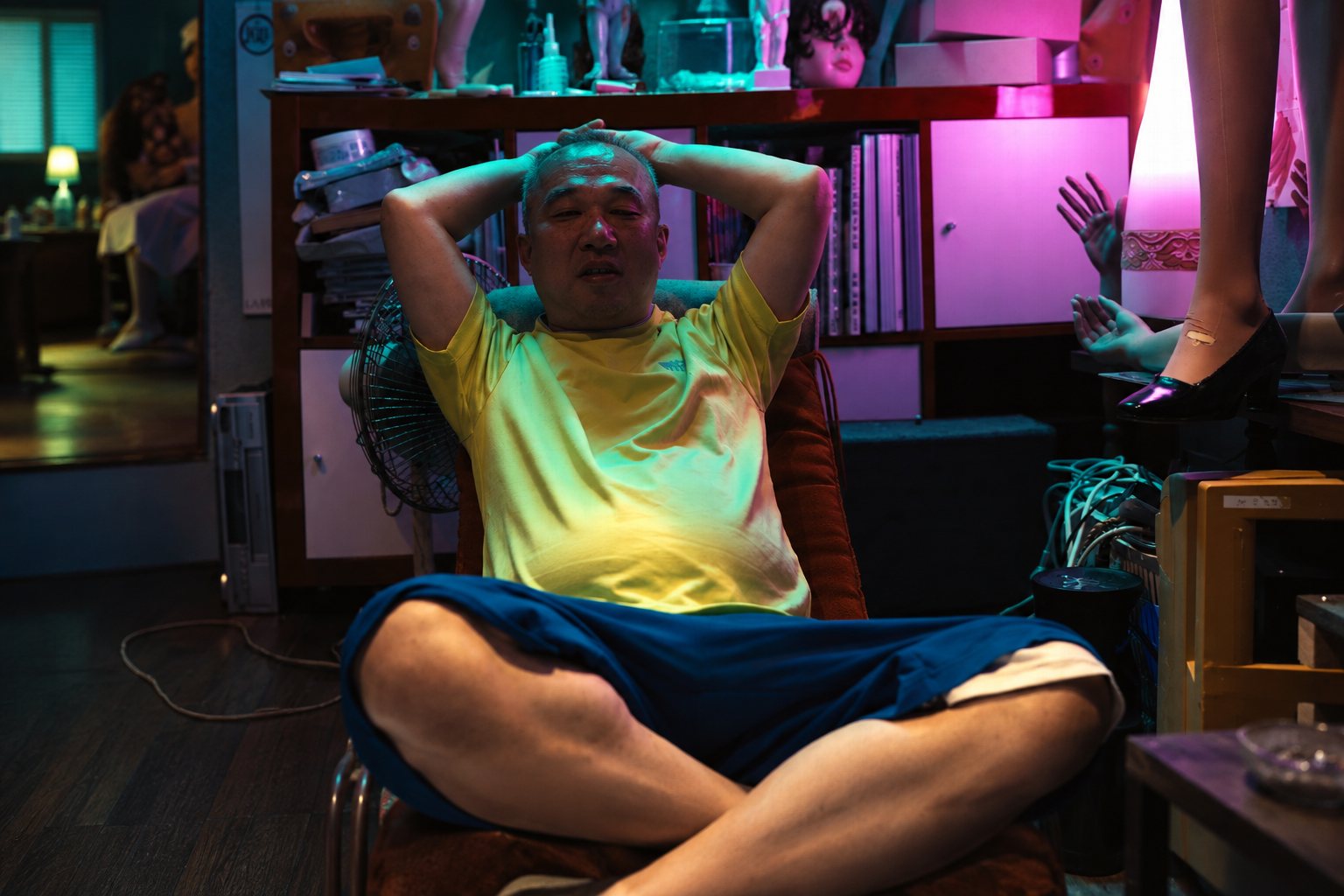
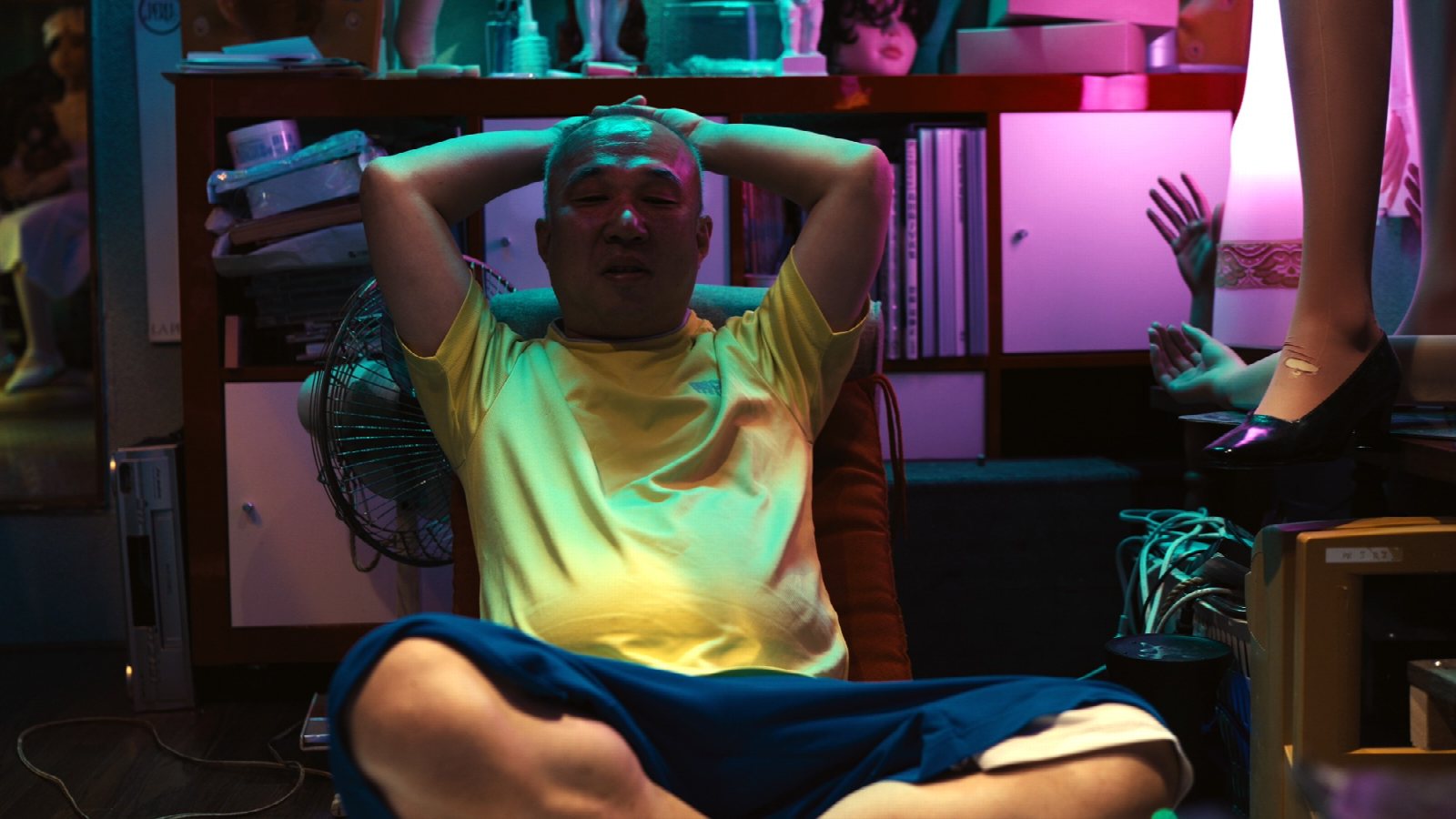
A 22‑minute documentary that sidesteps spectacle to follow Hyodo in the private rhythms of his museum home.
21 September 2026
Rabie’s 22‑minute Hyodo’s Paradise resists gawking, building intimacy across a language barrier while forcing the director to confront his own judgments.
AI-modified, based on directorsnotes.com
Play · vimeo
Plays from the creator’s own upload on Vimeo. Open on Vimeo
Jacque Rabie, a filmmaker who until now worked mainly in narrative, turned up at a Tokyo house full of sex dolls with an eye for images and left with a quietly radical human story. Over roughly 22 minutes, Hyodo’s Paradise observes Hyodo’s daily routines—vacuuming, washing his dolls, and talking about his life—without turning the man into a spectacle. Directors Notes reports the film became “an unexpectedly complex examination of judgement, sexuality and more.”
Rabie says he began by asking how to make the house visually interesting, but quickly realised the story already existed in the person before him. “I wasn’t going to be able to make anything more interesting than what was presented to me,” Rabie told Directors Notes. That surrender of authorship shifted the film from constructed narrative to patient listening.
The shoot involved layers of mediation: Rabie’s limited Japanese, Hyodo’s limited English, translator Stephan May and later editor Tina Imahara. Rabie credits Imahara with finding the intimacy in the edit and says the connection with Hyodo grew even when words were missing. “I really felt trusted by him and didn’t want to betray that trust in the edit,” he told Directors Notes.
The film’s process also unseated Rabie personally. “This film really let me open up about my own sexuality,” he said, describing how watching and cutting the footage changed his own perspective. Producers on the project include Tegan Slattery; Rabie has since teamed with Chloe Campion on a feature‑length project called Kur.
Hyodo’s Paradise is a short that asks uncomfortable questions without offering tidy answers. Read the full interview and coverage at Directors Notes to learn more and to follow Rabie’s next work: directorsnotes.com/article.
A credit missing or wrong on this page? Tell us and we will fix it.